Wondering what “modern” really looks like in Kirkland right now? In a city where design quality, daily function, and long-term value all matter, the most appealing homes are not chasing trends for their own sake. They are blending warmth, flexibility, and a strong connection to place. If you are buying, renovating, or preparing to sell in Kirkland, these are the design trends shaping today’s homes and why they resonate locally. Let’s dive in.
Why Kirkland Design Feels Distinct
Kirkland’s housing story helps explain its design direction. More than 75 percent of the city’s land area is zoned for housing, and mixed-use development has expanded in business districts over the past 15 years. The city’s planning framework also shapes how housing growth, building height, landscaping, and shoreline protection come together.
That context matters because Kirkland is a market where presentation and livability carry real weight. In 2025, the median owner-occupied home value was $1,115,400, and 60.8 percent of homes were owner-occupied. In a place where many owners are thinking not only about how a home looks today but how it will perform over time, thoughtful design tends to stand out.
Indoor-Outdoor Living Leads
One of the clearest trends shaping modern Kirkland homes is a stronger connection between inside and out. Current home design surveys show continued demand for outdoor living areas, blended indoor-outdoor spaces, open layouts, and multiple living zones. In Kirkland, that often means rooms that open to decks, patios, gardens, or covered terraces.
This trend fits both lifestyle and climate. The Seattle area has a mild climate, a pronounced rainy season, and cloudy winters, which makes covered outdoor rooms and weather-resistant transitions especially practical. Instead of treating outdoor space as seasonal, many homeowners are designing it to feel useful for much more of the year.
For many properties, especially those with views or larger lots, this can look like:
- Covered patios that extend the living area
- Large windows that bring in more daylight
- Deck connections off main living spaces
- Garden-facing sitting areas
- Finishes that hold up well in wet months
In waterfront settings, this relationship becomes even more important. Kirkland’s shoreline rules emphasize shoreline-facing windows, decks, patios, viewing platforms, and native planting, with standards shaped by site conditions. For these homes, indoor-outdoor living is often not just an amenity. It is central to the way the home is planned.
Daylight Matters More Than Ever
Alongside indoor-outdoor living, daylighting is having a major moment. Design trend reporting points to growing interest in expansive windows and skylights, and that makes sense in the Pacific Northwest. When winter days can feel gray, natural light becomes both a design feature and a quality-of-life feature.
In Kirkland, homes that feel bright and calm tend to leave a strong impression. That does not always require dramatic glass walls. Sometimes it is about better window placement, clearer sightlines, lighter finishes, and rooms arranged to borrow light from adjacent spaces.
For buyers, daylight often signals comfort and care. For sellers, it is one of the most broadly appealing upgrades a home can offer because it supports both aesthetics and everyday use.
Warm Materials Replace Stark Minimalism
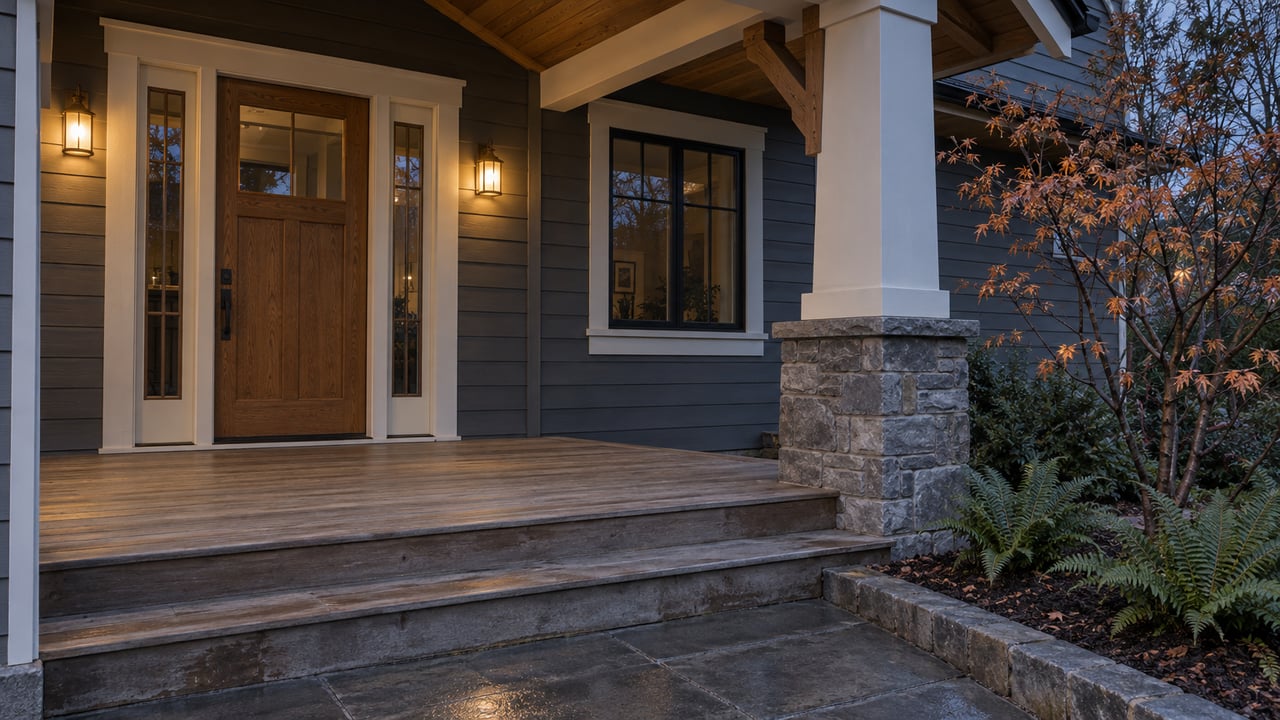
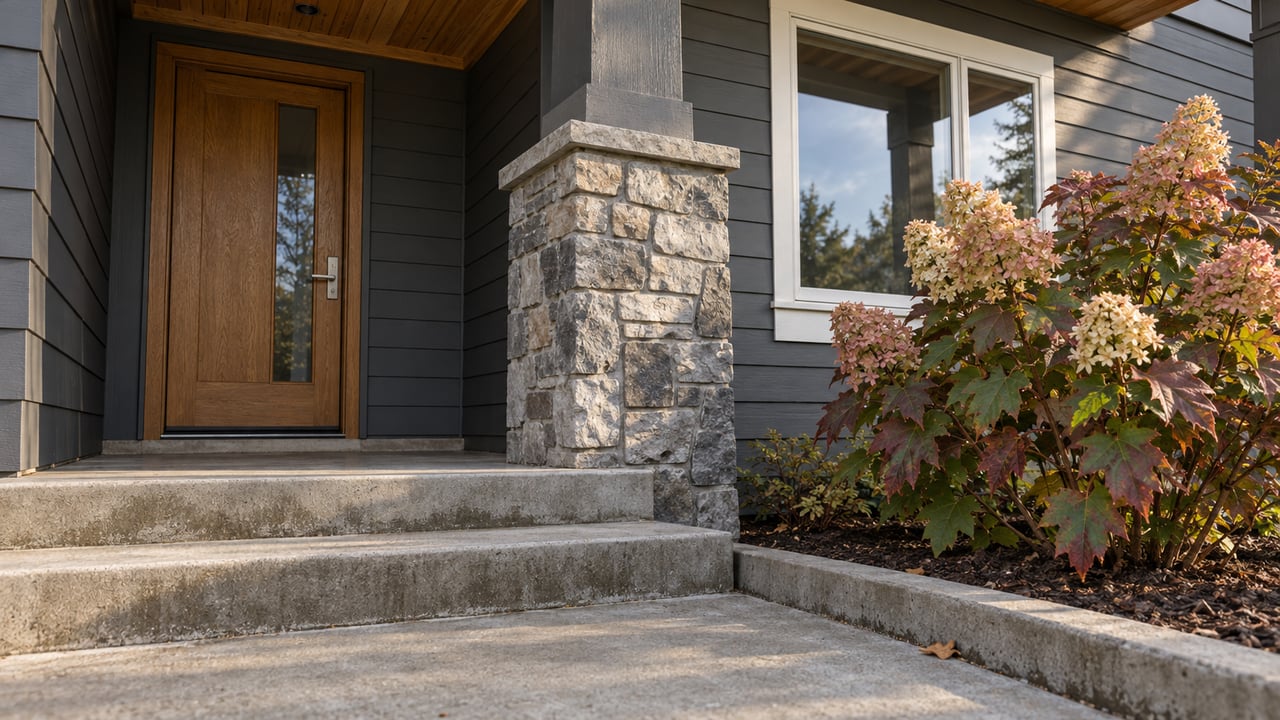
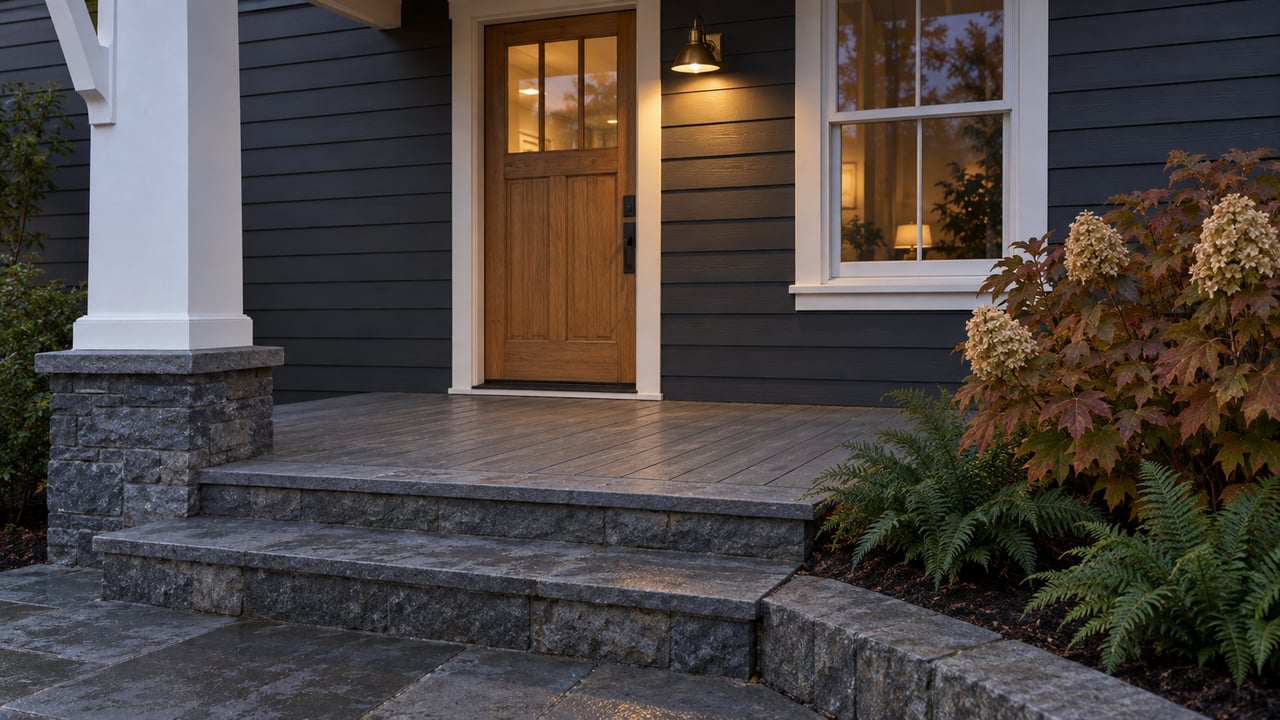
If modern Kirkland homes have moved away from anything, it is the colder, sharper look that once defined contemporary design. National trend coverage for 2025 points toward warm earthy colors, organic modern style, natural materials like wood, stone, and plaster, and layered textures that feel more lasting than trendy.
That shift aligns closely with Kirkland’s own design guidance. The city encourages durable materials with texture and permanence, including stone, brick, stained or painted wood, and tile. In practice, the local version of modern often feels softer, more tactile, and more connected to landscape.
You can see this in details such as:
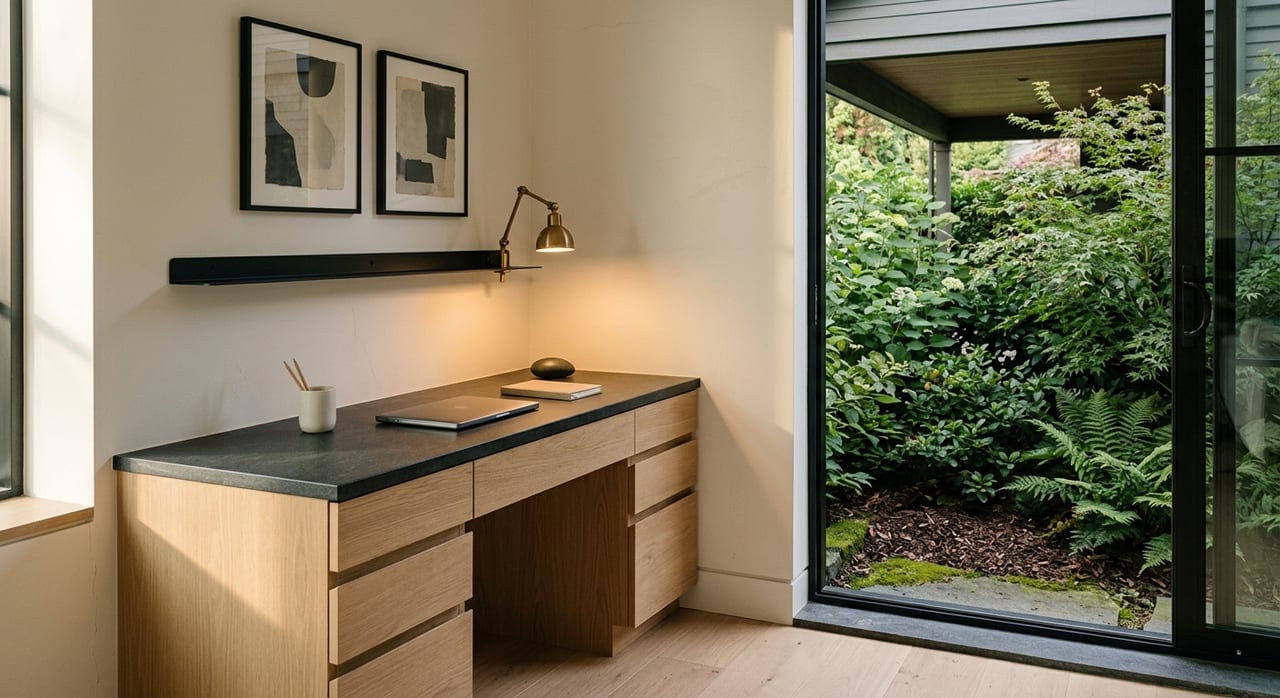
- White oak or medium-tone wood finishes
- Stone or brick accents with visible texture
- Warm neutrals instead of cool gray palettes
- Layered materials that add depth without clutter
- Exterior materials that feel grounded and durable
This is one reason many of today’s most appealing Kirkland homes feel less like minimalist showpieces and more like well-edited spaces. They are contemporary, but still inviting.
Human-Scale Exteriors Feel More Timeless
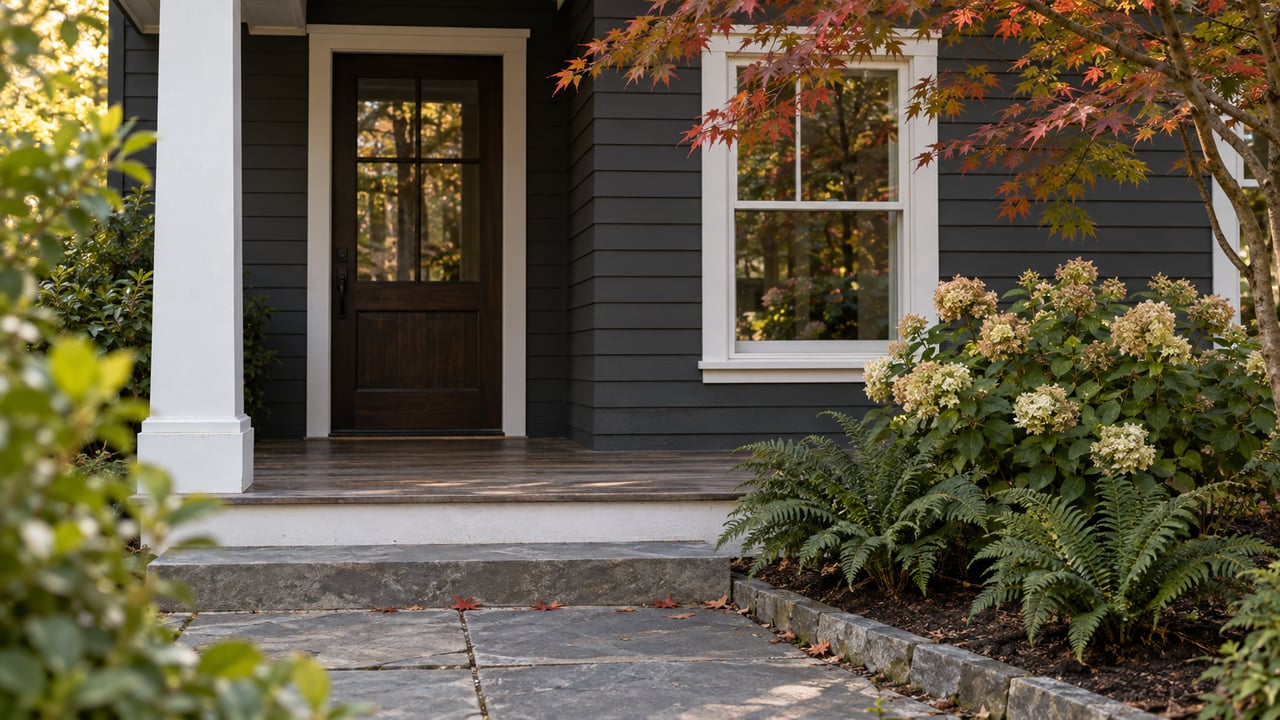
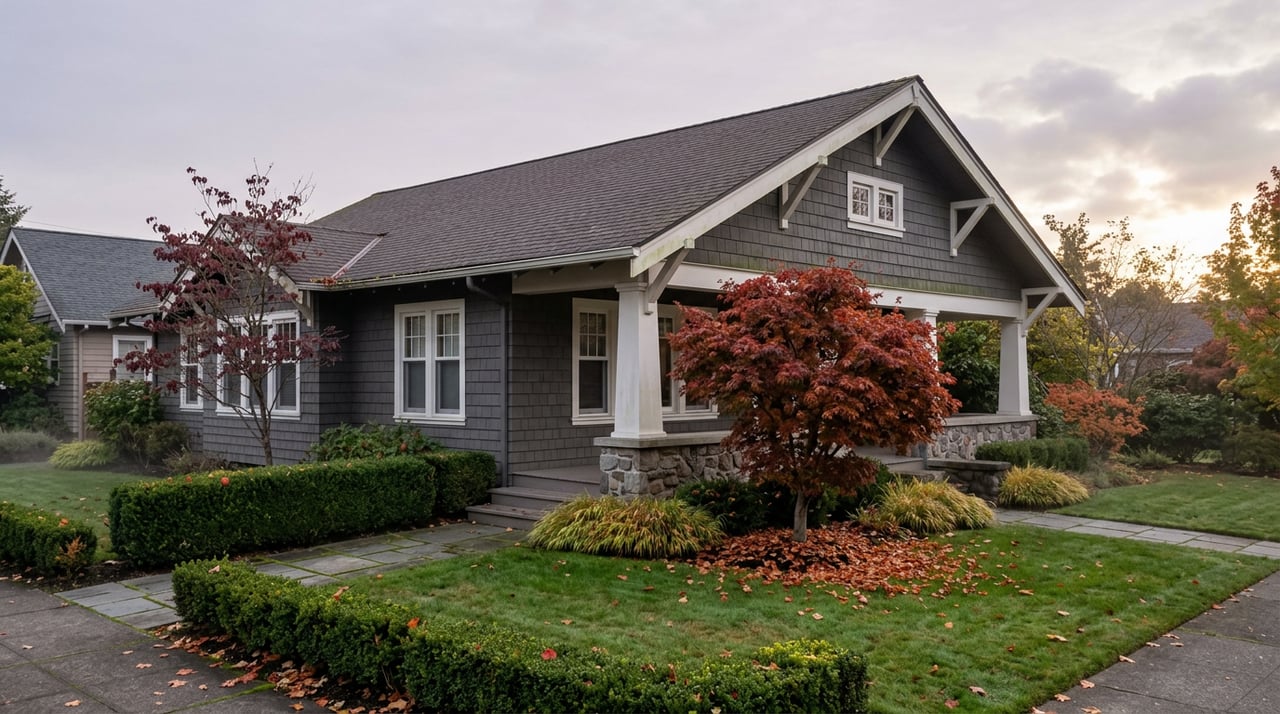
Modern design in Kirkland is also being shaped by the city’s residential guidelines, which encourage features that give homes a more human scale. Moderate to steep roofs, balconies, roof decks, bay windows, and other articulated elements are preferred because they help newer construction relate more comfortably to existing neighborhoods.
That means the strongest modern homes often avoid looking flat or overly severe. Instead, they use variation in roof form, window pattern, trim, and material changes to create depth. The result is a home that feels current while still fitting its setting.
For owners considering updates before listing, this is a useful lens. Exterior improvements that add texture, shape, and visual balance tend to age better than design moves that feel too stark or overly specific to one moment.
Flexible Rooms Are Now Expected
Another trend with real staying power is flexibility. Recent home design surveys show continued demand for open layouts, flexible floor plans, and multiple living spaces. In Kirkland, that lines up with local planning conversations around adaptability, including policies that discuss retaining older, smaller homes and encouraging ADU-ready detached homes or new projects designed to accommodate future ADUs.
Even if you are not planning an ADU, adaptability matters. Buyers are often looking for rooms that can shift with changing needs, whether that means work, guests, hobbies, or quieter retreat space. A home does not need to be larger to feel more useful. It needs to be better organized.
Common examples include:
- A guest room that also works as an office
- Built-in storage that reduces visual clutter
- Secondary living areas for work or media use
- Nooks with enough privacy for calls or study
- Layouts that allow future flexibility
This is especially relevant in compact urban and mixed-use settings. In downtown Kirkland and growth areas like the NE 85th Street station area, efficient interiors with strong storage, durable finishes, natural light, and rooms that can shift from work to guest use are especially well suited to how people live.
Curated Interiors Feel More Personal
Modern Kirkland homes are also leaning into more personal, collected interiors. Recent design coverage highlights a move toward gallery walls with more color and texture, richer frames, smaller grouped arrangements, and placement in spaces like stairways, hallways, and corner nooks.
That trend works particularly well in homes that already value architecture and editorial presentation. Instead of filling every wall, the goal is to create a few intentional moments that add character without overwhelming the room. In workspaces, open shelving, niches, and display surfaces can help art feel integrated into daily life.
For sellers, this trend comes with an important distinction. Personality can absolutely enhance a home, but cohesion matters. A restrained, curated look usually has broader appeal than a space that feels crowded or too individualized.
Older Homes Are Being Updated Thoughtfully
Not every modern Kirkland home is newly built. Many older homes are being refreshed in ways that preserve their original proportions and character while improving kitchens, baths, storage, and flow. That approach reflects Kirkland’s broader interest in retaining older, smaller homes and respecting neighborhood context.
The city has surveyed mid-century residences dating from 1945 to 1965 as part of its historic resources work, and local guidelines encourage compatibility through roof form, window pattern, and material choices. In practice, the most successful updates often keep what gives a home its identity while making it easier to live in now.
If you own an older home, this is often a smarter path than overcorrecting toward something trendy. A well-resolved renovation usually feels more valuable than a remodel that strips out all original character.
What These Trends Mean for Resale
In Kirkland, the most durable design choices tend to be the ones that improve function while still feeling grounded in the setting. Daylight, natural materials, strong storage, flexible rooms, and covered outdoor space all support the way people actually live. They also align with both current design preferences and local planning guidance.
For resale, that usually translates into choices that feel intentional rather than excessive. Warm materials, well-organized work areas, and edited art moments can help a property feel current without making it feel temporary. In a high-value market, buyers often respond to homes that feel finished, calm, and easy to imagine living in.
If you are preparing to sell, this is where thoughtful presentation matters. The right updates do not just modernize a home. They help tell a coherent story about how the property lives and why it belongs in Kirkland.
If you are thinking about buying, renovating, or positioning a home for the market, a design-led strategy can make the path clearer. Marianne Francis brings a refined understanding of Kirkland homes, curated presentation, and high-touch guidance to help you move with confidence.
FAQs
What design trends are most popular in Kirkland homes right now?
- The most relevant trends include indoor-outdoor living, more daylight, warm natural materials, flexible rooms, and curated interiors that feel personal but cohesive.
Why is indoor-outdoor living important in Kirkland homes?
- It fits Kirkland’s lake-oriented lifestyle and mild climate, and covered outdoor spaces help patios, decks, and gardens function well even during wetter months.
How are waterfront Kirkland homes shaped by design rules?
- Waterfront homes are influenced by shoreline regulations that emphasize site-specific setbacks, shoreline-facing design, decks, patios, viewing areas, and native planting.
What makes a modern Kirkland home feel timeless instead of trendy?
- Homes tend to feel more lasting when they use natural materials, strong daylight, human-scale exterior details, and flexible spaces that support daily life.
How are older homes in Kirkland being updated today?
- Many are being modernized by improving kitchens, baths, storage, and circulation while preserving original proportions, roof forms, window patterns, and materials where possible.
Which design updates may help resale in Kirkland?
- Broadly appealing updates often include covered outdoor space, warm finishes, smart storage, flexible work or guest areas, and a cohesive, uncluttered interior presentation.