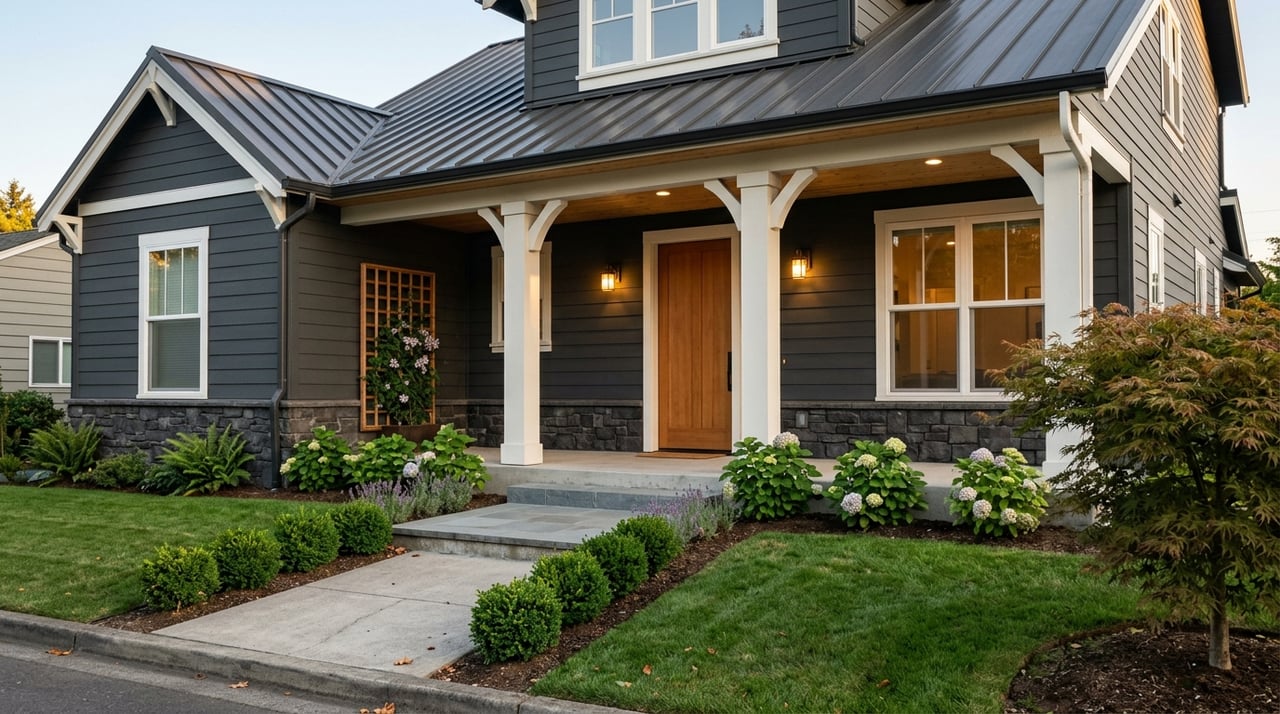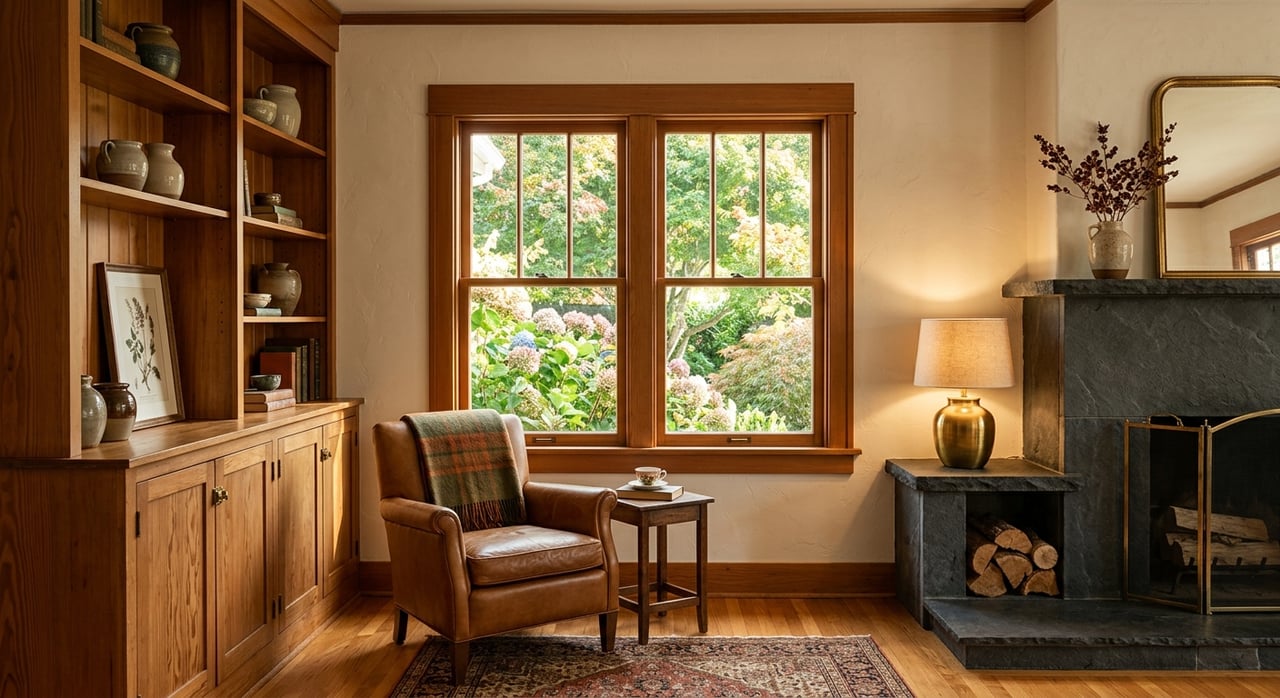
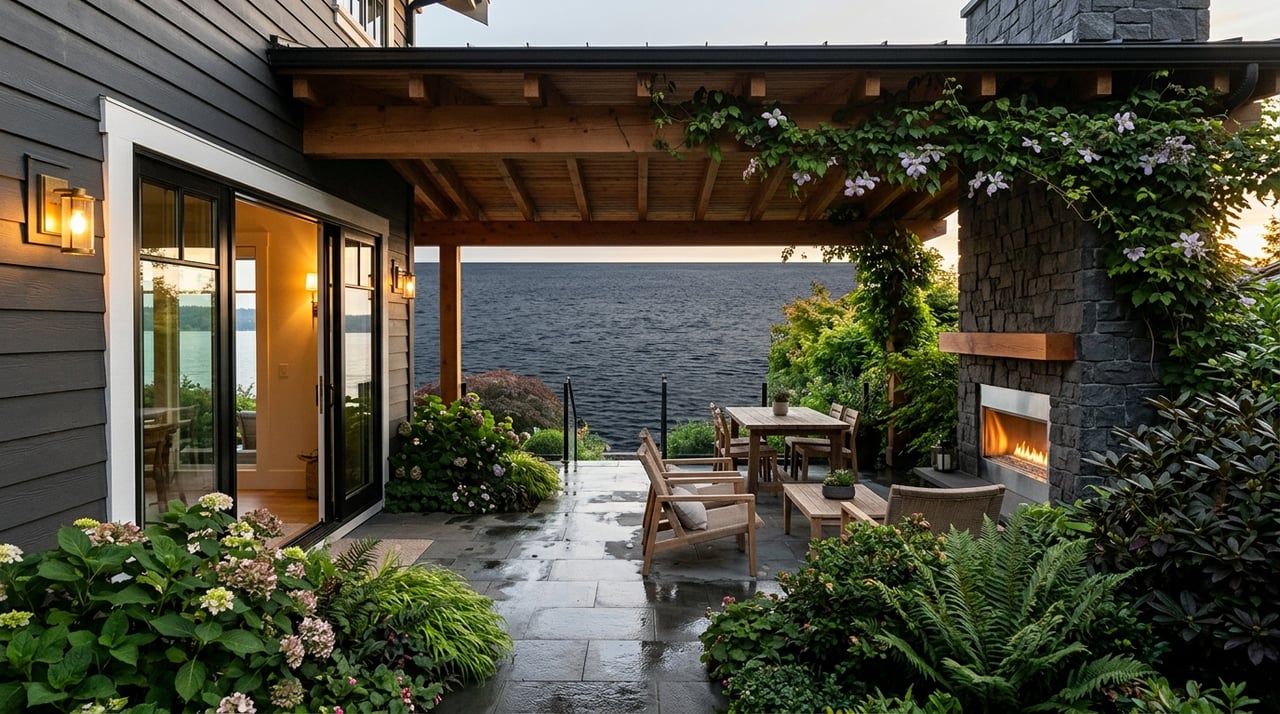
A great outdoor space in West of Market is rarely the biggest one. It is the one that feels composed, comfortable, and in sync with the lake, the slope, and the home itself. If you love the layered character of this part of Kirkland, you can take cues from the neighborhood’s setting to shape an outdoor area that feels both beautiful and believable. Let’s dive in.
Why West of Market outdoor spaces feel distinct
West of Market is part of Kirkland’s Market Neighborhood, between Market Street, Lake Washington, and Juanita Bay, with direct ties to the waterfront and downtown. That setting gives outdoor living here a very specific tone: walkable, urban, and lake-oriented rather than tucked away like a private resort.
The city also describes the neighborhood as a mix of old and new housing stock, historic buildings, mature trees, and west-facing views down toward the water. In practice, that means the most successful outdoor spaces tend to feel layered and proportional. They respect the home, the lot, and the surrounding view lines instead of competing with them.
Start with the view
In West of Market, the view often does a lot of the design work for you. Kirkland’s neighborhood guidance emphasizes preserving public view corridors to Lake Washington, Seattle, and the Olympic Mountains, especially in areas shaped by the slope and street outlooks.
For your own outdoor living space, that is a useful design cue. Low-profile seating, restrained rail details, and furniture with open sight lines can help the landscape and horizon stay front and center.
Choose low, quiet furnishings
Bulky sectionals and oversized structures can feel out of place in a setting where the lake is meant to remain visible. Instead, look for pieces that sit lower to the ground and read as intentional rather than heavy.
A few design directions that fit the neighborhood well include:
- Low lounge chairs with slim frames
- Simple teak or powder-coated metal dining furniture
- Narrow-profile planters
- Benches that define space without blocking views
- Muted, natural materials that echo stone, painted siding, or weathered wood
Keep outdoor rooms visually open
You do not need a large footprint to create a strong effect. In many West of Market homes, a smaller terrace or patio can feel more elegant than an expansive, crowded layout.
Try to leave visual breathing room between zones. A dining area, a pair of lounge chairs, and a compact fire feature often create a more authentic result than filling every square foot.
Design for Kirkland’s weather
Beautiful outdoor living in this area should work beyond a few sunny weekends. NOAA monthly normals for the Seattle-Tacoma area show about 39.34 inches of annual precipitation, with wetter winters and drier summers, so flexibility matters.
That is one reason covered terraces and sheltered dining areas make sense here. Waverly Beach Park, in the Market neighborhood, includes a covered picnic shelter along with BBQs and picnic tables, which reflects how useful weather protection can be near the water.
Add cover without making it feel heavy
A covered outdoor area can extend your use of the space well into the shoulder seasons. The key is choosing a structure that feels scaled to the house and lot.
Good options may include:
- A covered terrace connected to the home
- A pergola with light overhead protection
- A roof extension over a dining area
- A sheltered corner for morning coffee or evening dining
In a neighborhood known for compatibility, mature trees, and historic character, simple forms usually read best. Clean lines and honest materials can feel timeless without overwhelming the site.
Use fire features as accents
A fire feature can make an outdoor space feel inviting on cool evenings, but in West of Market, restraint matters. The neighborhood plan’s focus on compatibility, scale, and view preservation suggests that lower-profile elements tend to fit better than tall or oversized installations.
A compact fire table or linear fire feature often works well because it adds warmth without interrupting the lake horizon. The goal is to support the setting, not turn the feature into the whole story.
Best fire feature approach
If you are considering a fire element, think in terms of proportion.
- Keep the profile low
- Place it where it supports seating without blocking sight lines
- Choose finishes that blend with the home and landscape
- Let the surrounding view remain the focal point
Let planting frame the lake
One of the smartest ways to take inspiration from West of Market homes is through shoreline-sensitive planting. Gardens here often feel most successful when they soften edges, add texture, and frame views rather than screen them off.
King County’s shoreline planting guidance supports that approach. It recommends low-growing plants, groundcovers, grasses, horizontally trained shrubs, and lightly branched trees, and notes that native plants can help reduce maintenance, slow runoff, control erosion, and filter pollutants before they reach lakes and streams.
Plant in low layers
If you worry that shoreline planting will block your view, the answer is usually in the layout rather than the idea itself. Layered planting can preserve sight lines while still making the property feel lush and complete.
Consider a palette built around:
- Low groundcovers near view corridors
- Grasses for movement and softness
- Horizontally trained shrubs
- Light-canopy trees rather than dense screening
- Native plant choices where appropriate for lower maintenance and environmental function
This kind of composition feels especially true to West of Market. It reflects the neighborhood’s mature landscape character while keeping the water visually present.
Take cues from the waterfront
The public shoreline spaces in and around the Market neighborhood offer useful clues about what feels natural here. Waverly Beach Park includes a U-shaped sunbathing dock and supports kayak and paddleboard launch, while Lake Avenue West Street End Park allows hand-carried non-motorized boat launch.
Those examples point toward a simpler, clearer style of waterfront use. Small, purposeful elements often feel more at home than large marina-style structures.
Think modest, useful, and site-responsive
If your property includes or borders shoreline features, the most fitting ideas are often the least flashy. A modest platform, a practical launch point, or a thoughtfully placed seating area can feel more aligned with the neighborhood than anything oversized.
That same principle applies even if you are not directly on the water. Outdoor spaces that feel calm, functional, and connected to the landscape tend to match the area’s design DNA.
Plan improvements carefully
In West of Market, outdoor upgrades can involve more than design. Before you move ahead with shoreline work, terraces, dock changes, or major landscape adjustments, it is important to understand whether the property is within shoreline jurisdiction or another critical area.
Kirkland’s Shoreline Master Program applies within 200 feet of Lake Washington’s ordinary high water mark. The city also requires shoreline exemption applications even for work that qualifies as exempt from a Shoreline Substantial Development Permit.
Permits may apply sooner than you think
Kirkland’s permit guidance states that exemptions do not apply in shoreline or other critical areas, and dock repairs and modifications are listed among common projects that do require a permit. The city also notes that work in geologically hazardous areas requires a critical area permit, and trees within critical areas or buffers are protected.
That matters in this neighborhood because the Market plan notes steep shoreline slopes, erosion hazards, and landslide risk, especially when grading, land clearing, irrigation changes, or added building loads are introduced. Kirkland also states a preference for replacing hard shoreline stabilization with soft or more natural shoreline stabilization.
Washington Ecology adds that most non-exempt shoreline development needs a permit, and the current substantial-development threshold for residential docks is $28,000, effective August 5, 2023. Even a modest shoreline project can trigger more than one review path.
What feels most authentic here
The best outdoor living spaces in West of Market are curated, not crowded. They use low seating, clear view lines, restrained materials, and planting that softens the edge without swallowing the lake.
That approach also tends to age well. It honors the neighborhood’s historic scale, mature trees, and west-facing outlook while making everyday life outside feel easier and more inviting.
If you are preparing a home for sale, these choices can also help an outdoor space read as intentional in photography and in person. Buyers often respond to spaces that feel edited, usable, and connected to the setting, especially in a location where landscape and architecture matter so much.
Whether you are buying, selling, or refining a home you already love, outdoor living in West of Market works best when it feels calm, tailored, and true to place. If you want a thoughtful perspective on how a home’s outdoor story supports its market appeal, Marianne Francis brings a curated eye and local Kirkland insight to every step.
FAQs
What outdoor living style fits West of Market homes in Kirkland?
- Outdoor spaces in West of Market often feel most authentic when they are view-conscious, low-profile, and scaled to the home, with restrained materials, layered planting, and clear sight lines toward Lake Washington.
Do shoreline plants block views at West of Market properties?
- Not necessarily. King County guidance supports using low-growing plants, grasses, groundcovers, horizontally trained shrubs, and lightly branched trees to frame views rather than block them.
Do you need a permit for a dock or shoreline terrace in Kirkland?
- Often yes, or at minimum a project-specific shoreline exemption review. In Kirkland, shoreline and critical-area rules are narrow and can apply to docks, repairs, modifications, and other work near Lake Washington.
Why are covered outdoor spaces useful in West of Market?
- Covered terraces and sheltered dining areas are practical because the region has wet winters and shoulder seasons, making weather protection helpful for extending outdoor use beyond peak summer.
What makes an outdoor upgrade feel true to West of Market?
- Improvements that respect the neighborhood’s historic scale, mature trees, slopes, and west-facing lake outlook tend to feel most in character, especially when they prioritize views and avoid oversized features.