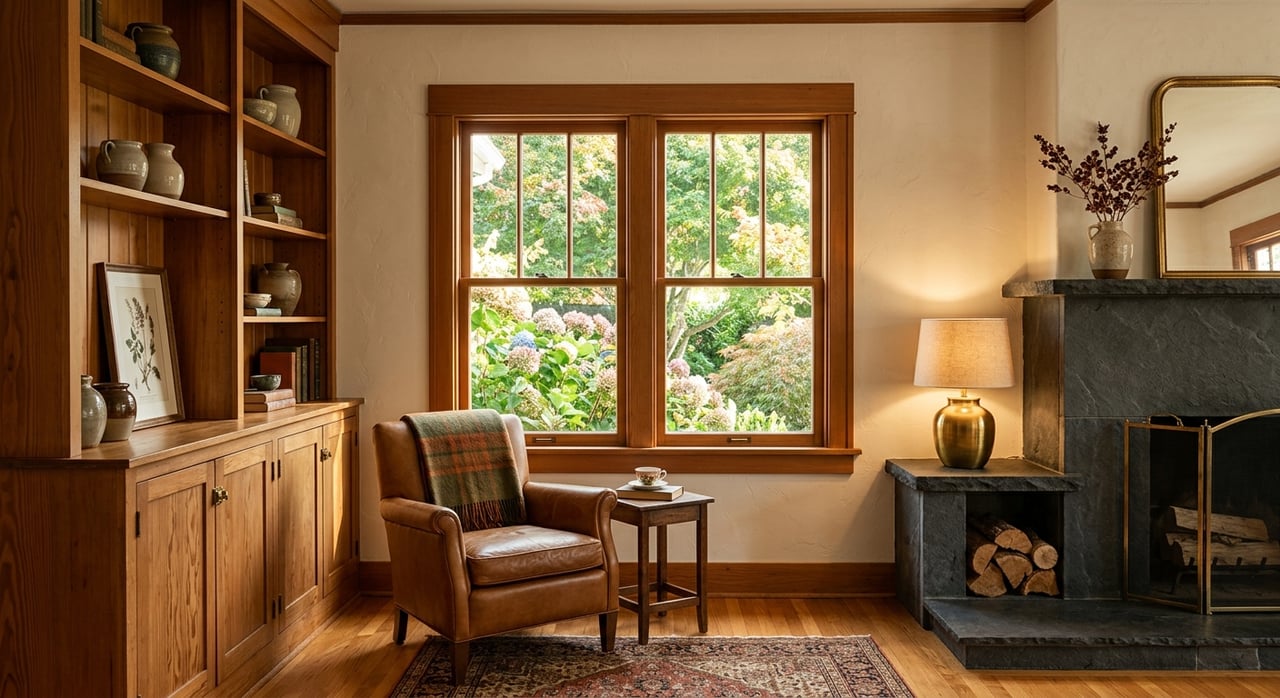
Wondering how to update a Norkirk cottage without stripping away the very charm that drew you to it in the first place? You are not alone. In a neighborhood shaped by early 20th-century homes, walkable blocks, and a long-standing mix of housing styles, the best renovations tend to be the ones that improve daily life while keeping the house connected to its lot, its street, and its architectural roots. Let’s dive in.
Why Norkirk cottages deserve care
Norkirk has a distinctive built pattern that should shape renovation decisions from the start. The City of Kirkland describes the neighborhood as a mix of older and newer residential development with a historic, pedestrian-scaled block pattern, and it emphasizes preserving the area’s eclectic range of home styles and sizes.
That context matters because Norkirk saw strong growth between 1910 and 1930, when bungalow and Craftsman-style homes became common. The city also notes that Norkirk has the greatest number of bungalows in Kirkland, which helps explain why cottage renovations here are often judged by proportion, roofline, and how the home presents to the street.
A thoughtful renovation is not about freezing a house in time. It is about understanding which elements give the home its identity, then making smart updates that support the way you live today.
Start with character, not square footage
If you are planning a renovation, your first instinct may be to ask how much you can add. In Norkirk, a better first question is what should stay visually intact.
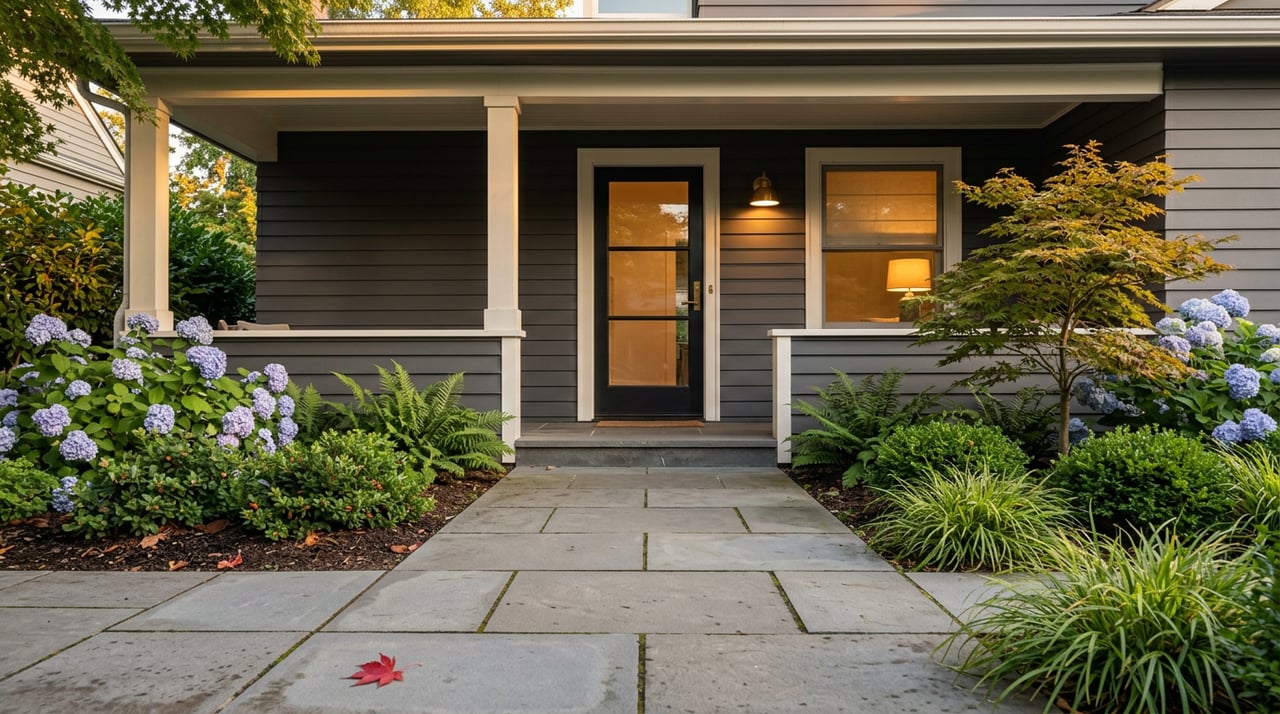
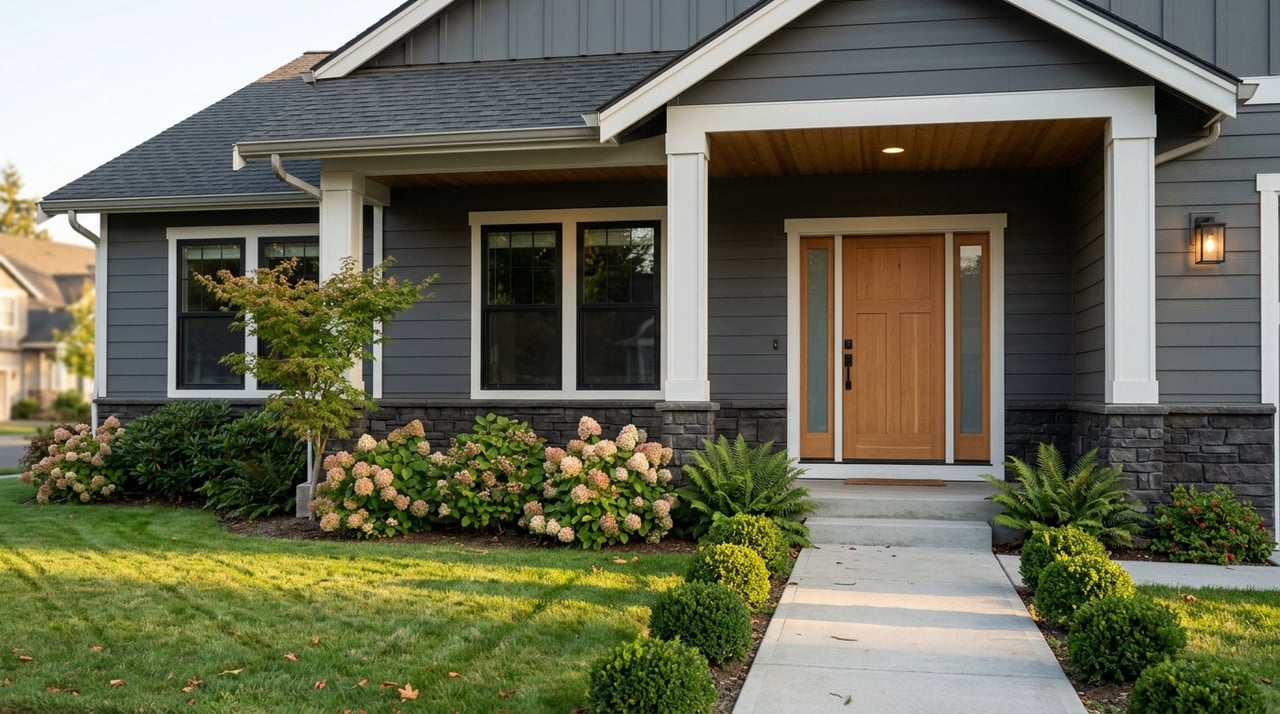
The City of Kirkland historic resources survey identifies hallmark bungalow features such as one- to one-and-a-half-story massing, low-pitched roofs, wide overhangs, prominent porches, clapboard or shingle cladding, and double-hung windows. Many cottages also carry Craftsman details that give them texture and warmth.
Those features often do more for the home’s appeal than sheer size does. If you enlarge the house, add a garage, or rework the layout, the goal should be to preserve the cottage’s scale and street presence so it still reads as part of Norkirk’s historic fabric.
Know the lot before you design
Before you sketch plans or choose finishes, verify the property’s zoning, permit history, and assessment records. Kirkland’s Development Services process specifically recommends starting with property research, and the city’s Historic Preservation resources include a GIS-based Property History layer for homes that may have historic relevance or prior survey records.
This early research can save you time, cost, and frustration later. It can also help you understand whether a planned addition or exterior change fits the lot and aligns with the home’s existing footprint.
In parts of Norkirk, lot size and neighborhood pattern matter in practical ways. The neighborhood plan identifies a core area with many lots under 7,200 square feet and notes that a pattern comparable to RS 6.3 zoning, about a 6,300-square-foot minimum lot size, reflects existing platting in that area.
That means site planning needs restraint. A project can be technically possible yet still feel oversized for the parcel or out of step with the surrounding block.
Watch for site constraints early
Not every Norkirk property faces the same physical challenges, but some do. The neighborhood plan notes that areas north of Peter Kirk Elementary near the Cross Kirkland Corridor may involve steep slopes, erosion or landslide potential, and liquefaction potential during seismic events.
If your project changes the home’s footprint, drainage pattern, or retaining conditions, it is wise to involve a civil engineer or an experienced contractor early. That is especially true before you commit to an addition, detached structure, or substantial grading work.
Even when the design feels straightforward, site conditions can reshape the timeline and budget. Getting clarity early helps you make decisions with fewer surprises.
Prioritize function inside the cottage
The most successful cottage renovations usually preserve what gives the exterior its personality while modernizing the spaces that affect daily life. In practical terms, that often means focusing on kitchen function, bathroom layout, storage, circulation, and comfort before chasing dramatic cosmetic change.
Older homes can be beautiful and still ask a lot from their owners. Narrow passageways, limited closets, awkward bath layouts, and undersized kitchens are common issues that can often be improved without changing the home’s essential character.
A thoughtful plan separates the project into three buckets:
- Cosmetic refreshes
- System upgrades
- Layout changes that truly improve how you live
That framework can keep the project grounded. It also helps you avoid spending heavily on finishes before you address the parts of the house that shape day-to-day comfort.
Invest in comfort and efficiency
For many older cottages, some of the best upgrades are not the most visible ones. Kirkland notes that 70% of its buildings were built before 1986, before energy efficiency was incorporated into the building code, and the city identifies those older buildings as a major opportunity for improvement.
In a Norkirk cottage, that often points to attic insulation, air sealing, weatherization, and careful window work. These updates can improve comfort, reduce drafts, and support the home’s long-term performance without changing its architectural identity.
This is where thoughtful renovation becomes more than design. It becomes stewardship. When you improve how the home performs while respecting how it looks, you create a result that feels both practical and enduring.
Understand Kirkland’s permit path
A renovation in Kirkland is not just a design exercise. It is also a process. The city directs property owners to use its online permit system and provides access to property search tools, permit guidance, and virtual appointments with Planning, Building, and Public Works staff.
That is one reason local professionals can be so valuable on the front end. An architect, designer, or contractor who already understands Kirkland’s review process can help you shape a project that is more realistic from the beginning.
It is also important to remember that common projects may still involve permit questions. Window replacement may require a permit if structural changes are involved, and deck work must comply with current building codes.
For some remodels, separate permits may also be needed for electrical, mechanical, or plumbing work. Kirkland’s remodel and addition guidance also notes that suspect asbestos-containing materials must be surveyed before renovation begins, which is a particularly important step for older homes.
Keep changes in scale with the house
Norkirk’s appeal comes in part from its modest, varied, pedestrian-friendly housing pattern. The city’s housing guidance describes cottage housing as smaller homes that fit within residential neighborhoods and remain compatible with surrounding uses.
That principle translates well to renovation planning. Additions, garages, and major layout changes should be carefully sized so the house still feels balanced on the lot.
If the front porch disappears, the roofline becomes overly tall, or the original window rhythm gives way to oversized openings, the home can lose the very qualities that make it special. In this neighborhood, thoughtful restraint often creates the strongest result.
What buyers often notice most
If resale matters to you, it helps to think like a future buyer without turning the home generic. Broad remodeling research shows that buyers respond strongly to visible signals of care, especially curb appeal.
In National Association of REALTORS research, 97% of members said curb appeal is important in attracting a buyer, and 92% said they recommend curb appeal improvements before listing. The same research found that painting and roofing improvements often matter, while kitchen and bathroom updates remain in strong demand.
The 2025 NAR and NARI remodeling report also found that homeowners renovate for livability as much as resale, with common motivations including worn surfaces, energy efficiency, and preparing to sell within two years. Among the projects with strong homeowner satisfaction or cost recovery were kitchen upgrades, new roofing, front-door replacements, and closet renovation.
In Norkirk, those findings suggest a useful takeaway. Buyers are likely to respond well to a cottage that feels well cared for, functional, and true to its original character, rather than one that feels oversized or disconnected from the neighborhood.
A simple decision framework
If you are unsure whether to renovate, sell as-is, or buy something more turnkey, this framework can help:
- Renovate if the structure is sound, the house still fits the lot, and you can improve livability without losing scale or character.
- Sell as-is if the project would require major site work, a difficult permit path, or changes that would weaken the home’s fit within Norkirk.
- Buy move-in ready if you want to avoid renovation sequencing, permit review, and the uncertainty that can come with older properties.
The right choice depends on your timeline, budget, and tolerance for complexity. In a neighborhood like Norkirk, the best outcome is often the one that respects both the house and the process.
Renovate with a curator’s eye
A Norkirk cottage does not need to be perfect to be compelling. It needs to feel coherent. When the porch still welcomes the street, the roofline remains in proportion, and the interior works better for modern life, the renovation tends to feel considered rather than overworked.
That balance matters whether you are renovating to stay or preparing for a future sale. In either case, your strongest decisions are usually the ones that honor the home’s original language while improving comfort, durability, and daily ease.
If you are weighing how much to change, start by asking what makes the house feel unmistakably like itself. That answer often becomes the clearest guide for every decision that follows.
If you are considering a purchase, renovation, or future sale in Kirkland and want a strategic point of view grounded in architecture, presentation, and long-term value, Marianne Francis offers thoughtful buyer advocacy and full-service listing representation shaped by the character of each home.
FAQs
What makes a Norkirk cottage renovation feel appropriate?
- A renovation usually feels appropriate when it preserves cottage-defining features such as the porch, roofline, window rhythm, trim scale, and overall relationship to the street while improving function inside.
What should you research before renovating a home in Norkirk?
- Before planning a renovation in Norkirk, you should verify zoning, permit history, assessment records, and any available property history through Kirkland’s city resources.
What site issues can affect a Norkirk renovation project?
- Some Norkirk properties, especially near the Cross Kirkland Corridor north of Peter Kirk Elementary, may involve steep slopes, erosion or landslide potential, and liquefaction potential during seismic events.
What upgrades matter most in an older Norkirk cottage?
- In many older cottages, the most valuable upgrades are often kitchen and bath function, storage, circulation, attic insulation, air sealing, weatherization, and thoughtful window work.
Do you need permits for common renovation work in Kirkland?
- Yes, some common projects in Kirkland can require permits, especially when structural changes are involved, and separate permits may also be needed for electrical, mechanical, or plumbing work.
How can renovation choices affect resale in Norkirk?
- Renovation choices can support resale when they improve curb appeal, maintain the home’s original character, and deliver practical updates in areas like kitchens, baths, roofing, and storage.