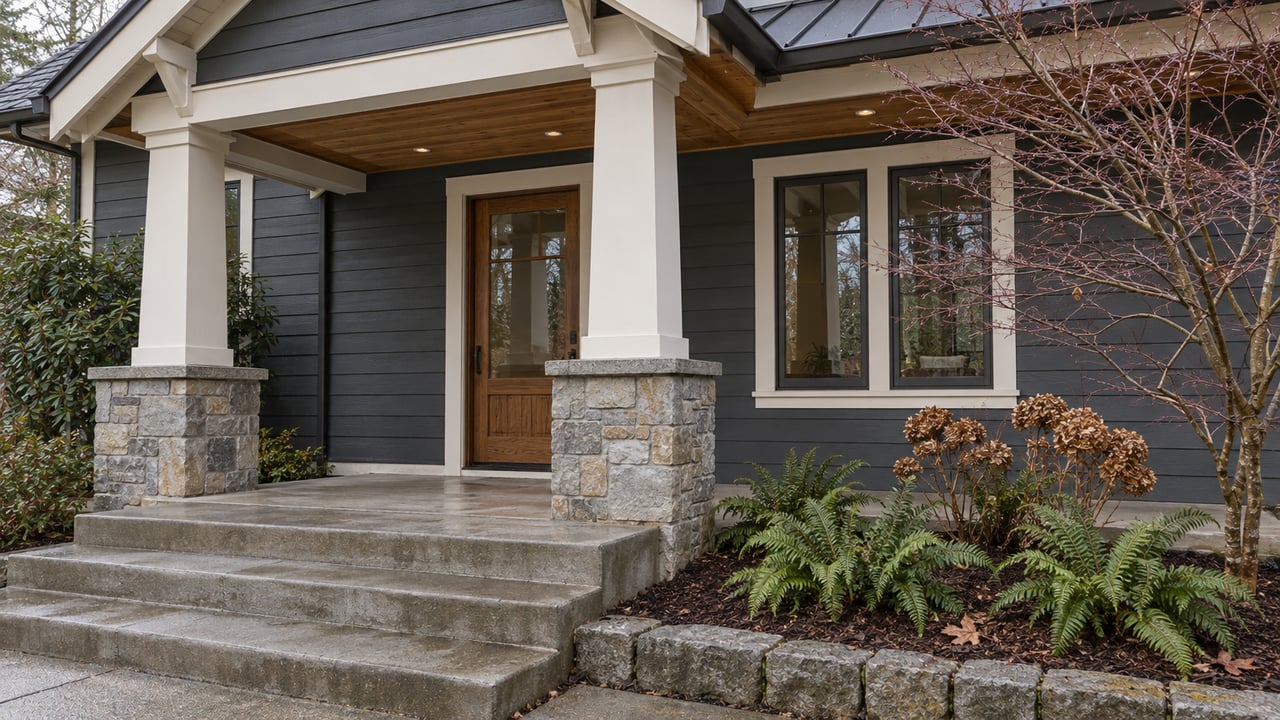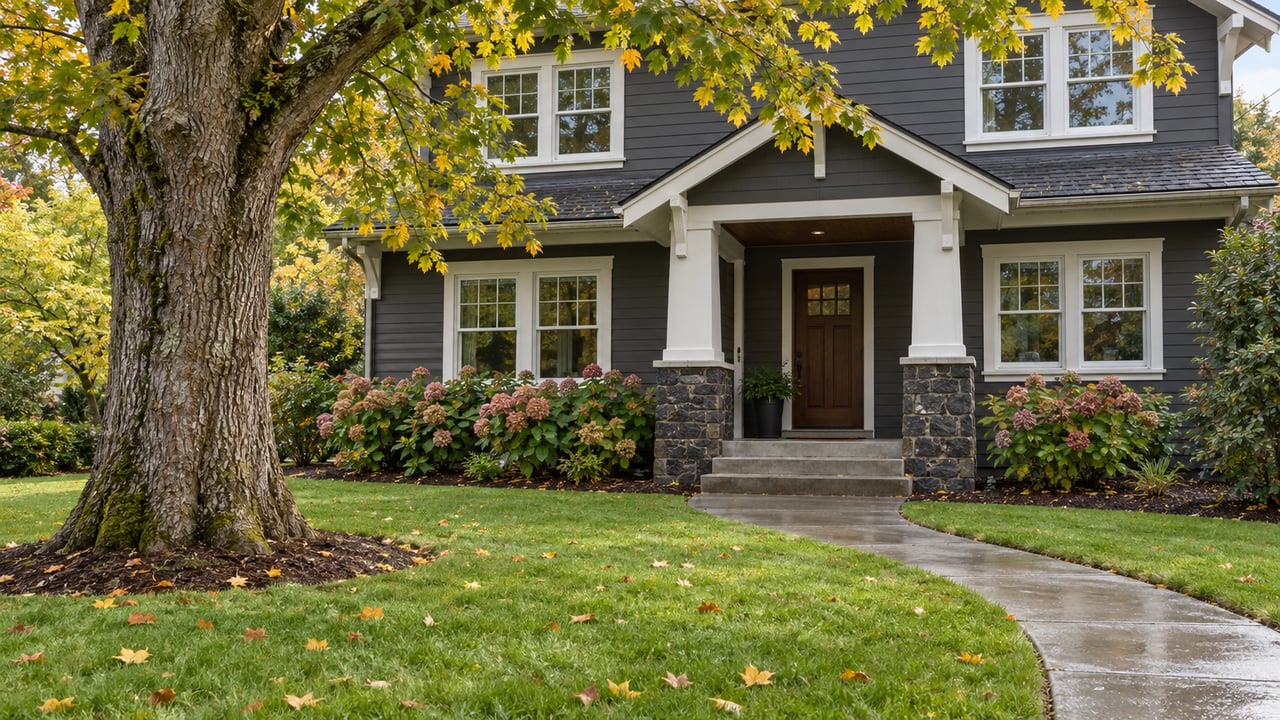
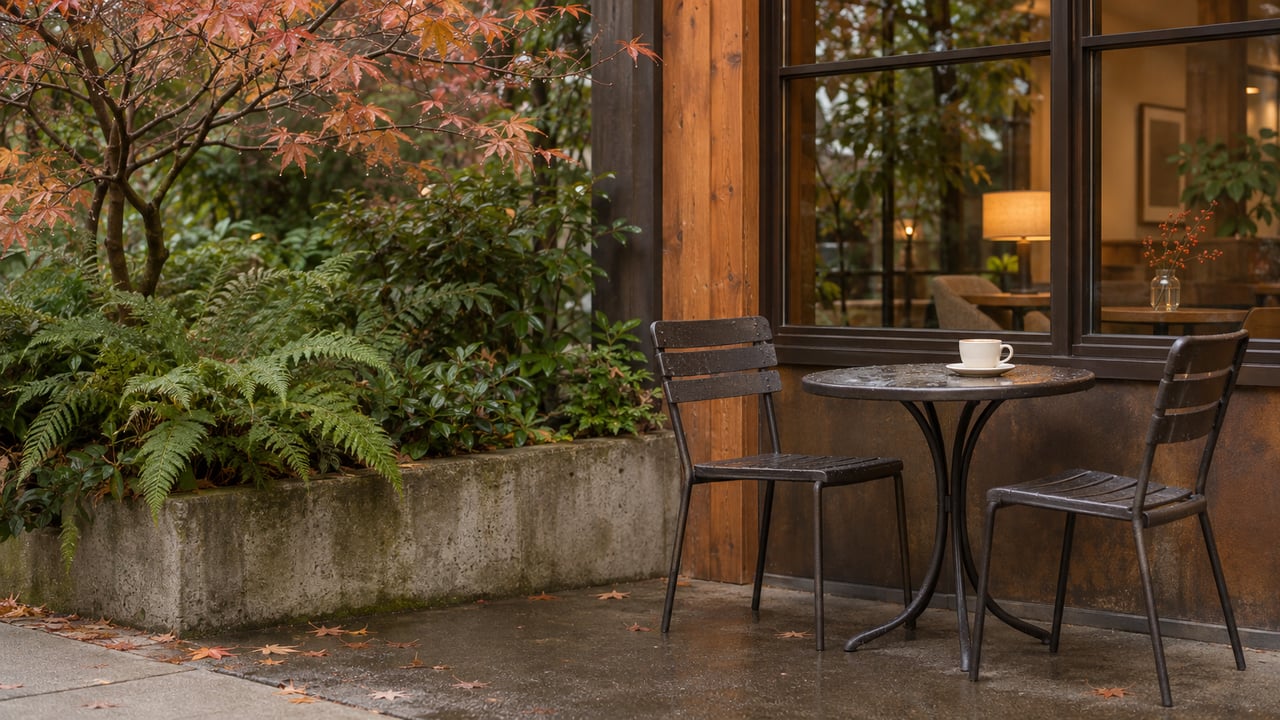
The parking note on DERU Market's website is polite and specific. On-site parking is limited. Guests are encouraged to carpool, and they are asked to be mindful when they park on neighborhood streets. That note sums up most of Kirkland's current debate over neighborhood stores. The café at 723 9th Ave is a locally owned family business serving brunch, lunch and dinner. It has been part of Norkirk since July 2011, when it opened as an artisan deli and café, as Patch reported in 2012.
Kirkland is now drafting rules that would let small businesses like it open inside residential zones. Those rules would set tight floor-area caps and an 8 p.m. closing time, and they would rely even more on the curb that DERU's note already asks neighbors to share. Anyone weighing a home in Norkirk should understand that design choice before the code is written.
The model business is zoned for something else
The city's Neighborhood Stores and Services project, file CAM26-00358, has two parts. It is reviewing the rules for home-based businesses, and it is exploring new allowances for "low-intensity, neighborhood-serving commercial" uses in residential areas. The city's stated goals are walkability, fewer barriers for small businesses, and less dependence on cars.
During stakeholder interviews this fall, one Norkirk example came up. The city's October 8 Planning Commission packet reports that many participants living in Norkirk spoke fondly of DERU Market and saw it as a model neighborhood-serving business. The same passage records that residents and staff research had noted "difficulties and conflict regarding operational standards like parking." It also notes that DERU "is technically located in a Light Industrial zone, but is in close proximity to residential zoning."
The Light Industrial zoning matters. Norkirk's neighborhood plan puts the neighborhood's light-industrial, office and service-commercial uses in its southeast corner, near the Cross Kirkland Corridor. The plan lists the expected uses there as limited light industry, warehousing, City services, auto and furniture repair, and small offices. DERU operates under that commercial-leaning designation, not under residential rules. The new code asks whether something similar could operate under rules written for houses.
What the Planning Commission has already agreed on
The commission held its second study session on October 8. A follow-up staff memo dated October 9 records general consensus on several points about new neighborhood commercial uses:
- A business must be combined with a primary residential use, so a stand-alone shop in a residential area is off the table
- Corner lots and nearby sidewalks will not be used as location tests
- Hours of operation are limited to 8 a.m. to 8 p.m.
- Sales or service involving weapons, tobacco, cannabis or gambling are prohibited
- Some screening, buffering and separation from adjacent homes is required
The first two points change how a Norkirk street might look under the new rules. Dropping corner lots follows a staff finding that corner lots make up only a small share of residential properties and that many Kirkland neighborhoods are served by cul-de-sacs. Under the commission's direction, the question is no longer which corner gets the café. Any qualifying house could host one, as long as someone lives there.
The commission also asked staff to keep working on a tiered structure, including whether being near higher-capacity streets should matter. Staff brought tiered options to the October 22 session. These are proposals waiting for the commission's guidance, not adopted code.
Two tiers, compared with the café that inspired them
The October 22 options set out two levels of allowance. This table puts them next to what DERU's own website describes:
| DERU Market today | Proposed Tier 1 | Proposed Tier 2 | |
|---|---|---|---|
| Zoning | Light Industrial, next to residential | All residential zones and housing types | Residential sites within a quarter mile of parks, schools, or commercial, office, TOD, or medium- and high-density residential zones |
| Residence required | No | On-site residency required | Residential use kept across the site |
| Customer-facing space | Not limited by these rules | 500 sq ft total, up to 250 sq ft outdoors | 1,200 sq ft total, up to 500 sq ft outdoors |
| Hours | Serves brunch, lunch and dinner | 8 a.m. to 8 p.m. | 8 a.m. to 8 p.m. |
| Customer parking | Limited on-site, plus street | None on private property; street parking within 600 feet | None on private property; street parking within 600 feet |
| Approval | Existing zoning | Allowed by right | Process still to be decided |
The size caps match what staff found elsewhere. Established neighborhood businesses in Seattle run from roughly 800 to 1,400 square feet. Kirkland caps accessory dwelling units at 1,200 square feet. Peer-city allowances range from 1,200 square feet in Shoreline to 3,000 in Everett. Tier 1, at 500 square feet including any patio, would fit inside a converted garage or a backyard studio. Tier 2 allows a small coffee room. Under either tier, a dinner service would have to end by 8 p.m.
Tier 2 would also add specialty retail such as bookstores, florists, plant nurseries, clothing stores and health and wellness services. It would rule out drive-throughs, storage services, kennels and vehicle sales. Alcohol service is still undecided. Staff suggested on-site consumption with food as a starting point.
The parking rule turns the street into the lot
In both proposed tiers, customer parking on private property is prohibited, and the site must have on-street parking available within 600 feet. The goal is to keep driveways from becoming small parking lots and to encourage people to walk. It also means any car that does come parks on the street. The street is the part of Norkirk where DERU's parking friction already shows up.
Staff described this tradeoff in plain terms in the September 24 memo:
"Proposals for neighborhood-serving businesses can feel disruptive because they redistribute some of the convenience currently experienced by adjacent residents to other activities."
The same memo points out that on-street parking is public space, even though nearby residents often come to count on it. It adds that cities can respond to specific conflicts later with time limits, permits and loading zones. That sequence matters for a buyer. The business could open by right, and parking management would come afterward, only if problems appear.
The buffer between a business and the house next door would also be lighter than for a typical commercial use. Current code requires a landscaped strip at least 15 feet wide and a solid fence or wall at least 6 feet tall between commercial uses and neighboring homes. The tier options propose a 5-foot landscaped strip and a 6-foot screen around outdoor activity, and both can be modified. Outdoor food or beverage service would need to be 50 feet from adjacent lots in Tier 1 and 20 feet in Tier 2.
Why Norkirk is part of this question
The city's community survey drew 696 responses. Norkirk accounted for about 8% of respondents who named a neighborhood, compared with 17% from Finn Hill and 16% from Juanita. Across all respondents, food and beverage businesses were the most requested category at 29%, followed by grocery and convenience markets at 20%. Those numbers describe the café a homeowner would most likely open, and a café is the business most likely to bring people who park.
The Tier 2 test is distance to parks, schools and denser or commercial zones, not frontage on a busy street. Norkirk has Crestwoods Park and borders downtown, so much of its eligibility will depend on how the commission draws that quarter-mile line. Staff also suggested another approach for the commission to consider, which would allow larger businesses near arterials and collectors and smaller ones on local streets. Which approach the commission picks will matter more to a quiet Norkirk block than any floor-area number.
The calendar from here
The city's posted timeline schedules Planning Commission Study Session #4 for December 10, 2026, about three weeks after this post goes up. Draft regulations are expected in fall and winter 2026. The public hearing, the draft ordinance and City Council action are all listed for 2027. An earlier memo had named December 10 as a tentative hearing date. The current schedule makes it a study session.
On the council side, there was no consensus at the July 21 briefing on how far the new allowances should go. Some members favored broad allowances, and others preferred a tiered approach based on location.
FAQ
Can a Norkirk homeowner open a café today?
Not under these proposals, which are still in study and not adopted. Current home-occupation rules cap a home business at 500 square feet, six clients a day and two at a time, with visits between 8 a.m. and 8 p.m. The commission has agreed not to reduce those allowances under any new tiers.
Would a business need its own parking?
Both proposed tiers go the other way. They prohibit customer parking on private property and require on-street parking within 600 feet.
Where can I follow the project?
The project page posts each meeting packet and presentation, including the October 22 packet where the tier options appear.
This post covers proposals that are still changing. It is general information, not legal advice, so please confirm how any rule applies to a specific property with the city or a land-use attorney.
If you are weighing a Norkirk purchase or sale while this code is being drafted, Marianne Francis can walk you through the current proposals block by block and help you plan around the 2027 calendar. Work With Marianne.