What does a perfect day by the lake look like for you? Maybe it starts with a great coffee, an artful stroll, and an easy walk to the water. Downtown Kirkland makes that rhythm feel natural, with parks, galleries, and dining all within a few blocks. In this guide, you’ll see what daily life really feels like here, from morning rituals to sunset walks, plus how housing, transit, and events support a car-light lifestyle. Let’s dive in.
What downtown Kirkland is
Downtown Kirkland sits on Lake Washington and functions as the city’s cultural and civic heart. It is compact and walkable, centered on Main Street, Market Street, Park Lane, and the waterfront at Marina Park. City planning describes this area as a mixed community with galleries, civic institutions, public art, and mid-rise housing that keep the streets active throughout the day. You can see that vision in the Moss Bay Neighborhood Plan.
Park Lane at a glance
Park Lane is a short, beautifully designed shared street that invites you to slow down. Cafes and small boutiques line the block, while rotating public sculptures add a gallery-like feel. The city and community groups program the street with markets and art walks during the year. Learn more about the design and intent of this corridor in the Park Lane case study.
Marina Park and the waterfront loop
Just a few minutes from Park Lane, Marina Park anchors the lakefront with a sandy shoreline, a public dock with guest moorage, and a pavilion that hosts summer activities. The surrounding waterfront parcels and nearby private marinas extend boat access and services right from the core. There is a small paid parking lot on site, and the park’s amenities are detailed on the city’s Marina Park page.
A walkable day in downtown Kirkland
Morning: coffee, art, and easy strolling
Start with a locally roasted latte, then let Park Lane set an unhurried tone. Visitor guides often point to neighborhood favorites like Zoka and Caffe Ladro as reliable stops. As you sip, browse the independent shops, peek into galleries, and pause by the outdoor sculpture plinths. For more local cafe ideas, the city’s tourism site has a helpful roundup of favorite Kirkland coffee shops.
Midday: waterfront lunch and errands that feel easy
Lunch can be as relaxed or as celebratory as you like. Waterfront dining at a long-standing venue such as Anthony’s HomePort on Lake Washington offers classic marina views. If you prefer something quick, casual counters are scattered through the core. In season, the Kirkland Downtown Association activates Marina Park and nearby streets with the Wednesday farmers market, summer concerts, and holiday happenings. You can check current programming on the Kirkland Downtown Association site.
Afternoon: galleries, public art, and short active trips
Art is part of daily life here. The Kirkland Arts Center hosts exhibitions and community studio programs within a short walk of Park Lane. Public art continues outdoors along the Park Lane sculpture corridor, curated through the city’s cultural program. For a change of pace, the 5.75‑mile Cross Kirkland Corridor gives you a flat, on-grade path for quick bike rides or walks between neighborhoods. Note that specific segments sometimes close for project work. The city posts updates, including recent NE 85th Street detours, on its trail news page.
Late afternoon to sunset: lakeside time
The water is always close. A short lakeside walk, an easy paddle during rental season, or a quick trip from the public dock keeps the lake part of your routine. Nearby marinas also offer services and seasonal options. For guest moorage and services just south of downtown, explore Kirkland Homeport Marina.
Evening: performance and a relaxed nightcap
As the sky moves to pink and blue, the Kirkland Performance Center brings concerts, theater, and family shows to a small, walkable venue. Afterward, you can wander back along Park Lane or the waterfront for dessert and a quiet drink. Streetlights, art, and lake reflections keep the evening atmosphere warm without feeling crowded.
Housing and how it shapes life
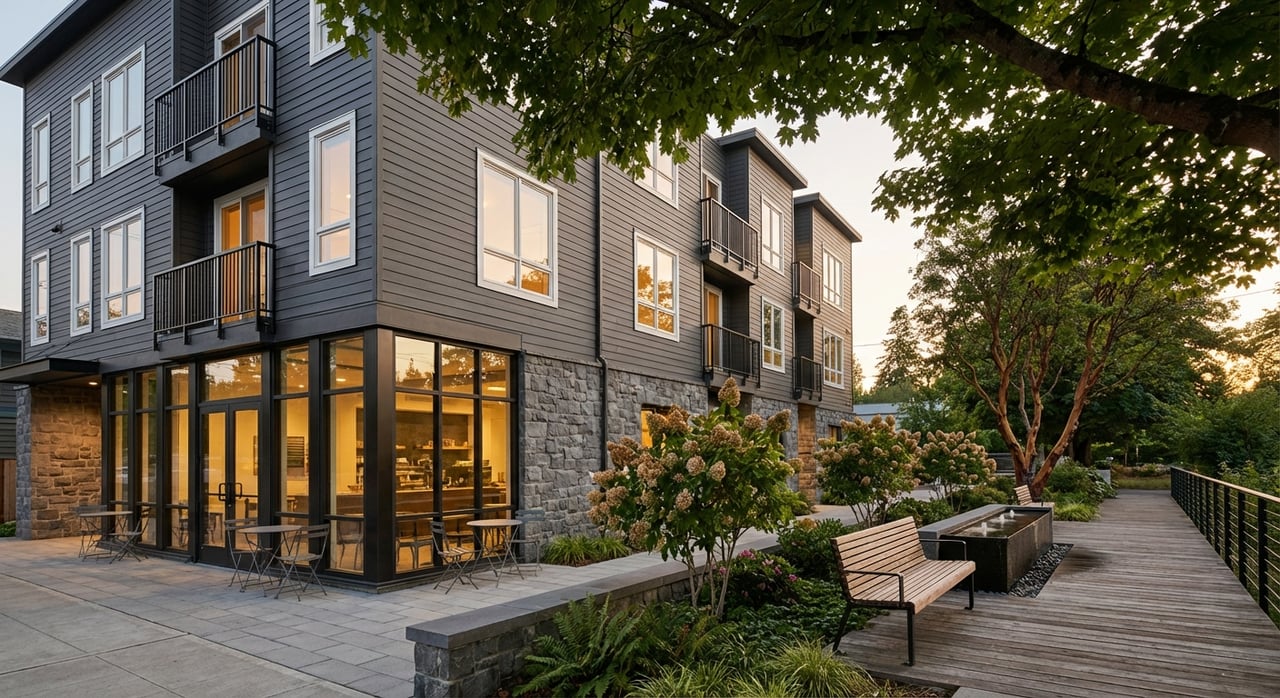
Downtown Kirkland is built for walking. The core is primarily multi-unit housing, especially condominiums and stacked apartments, with relatively few single-family homes inside the center. This building form places ground-floor retail beneath homes that rise 3 to 8 floors, which helps create lively sidewalks. The city’s housing inventory documents this pattern across the Greater Downtown and Moss Bay areas. You can review the official data in the Housing Inventory and Analysis.
City planning also provides useful context for future growth. As of 2022, the Greater Downtown Urban Center supported about 4,611 housing units. The Moss Bay plan frames downtown as a Regional Growth Center with higher housing and job targets, which means more close-in homes will likely arrive over time. This policy direction explains both the current condo presence and the longer-term focus on adding housing near services. You can read the plan details in the Moss Bay Neighborhood Plan.
Who thrives here
If you value a car-light lifestyle with daily errands on foot, downtown Kirkland delivers. You can start the day with coffee, pick up market produce, meet friends by the water, and catch a show without getting in a car. Many residents choose homes that match those rhythms, from view-forward condos to boutique flats near Park Lane.
Getting around: Walk Score, transit, and trails
Many central downtown blocks score in the 90s on Walk Score, which the platform calls a “Walker’s Paradise.” That reflects the close mix of parks, cafes, and frequent bus service that make short trips easy. You can see a representative location rating on Walk Score for central downtown Kirkland.
Buses converge at the Kirkland Transit Center near Park Lane and 3rd Street, which links you to regional and local King County Metro routes. The city participates in RapidRide planning, including the proposed K Line, which will refine future service. For trips within the city, the Cross Kirkland Corridor provides a direct, on-grade bike and walk spine that many residents use for daily movement.
Arts, events, and civic life
Culture is a year-round thread in downtown Kirkland. The Kirkland Arts Center hosts exhibitions and community studio programming that draw artists and neighbors together. The curated Park Lane outdoor sculpture gallery gives everyday walks an artful feel.
Seasonal events keep the waterfront lively. The Kirkland Downtown Association organizes Winterfest, the summer concert series, and supports the weekly Wednesday Farmers Market. Festivals like Summerfest and Uncorked concentrate activity on Marina Park and Park Lane during warm months. These moments create shared routines that make the neighborhood feel connected.
Practical tips for living well
- Plan for paid and time-limited parking in the core. Many residents walk, bike, or use transit for daily errands. For parking details at the waterfront, see the city’s Marina Park information.
- Check seasonal calendars. Event dates and hours shift year to year. The Kirkland Downtown Association posts current schedules for markets, concerts, and holiday programming.
- Confirm trail conditions before longer rides or runs. The city updates the Cross Kirkland Corridor page and shares specific detours like the recent NE 85th Street closure on its news page.
- For boaters, review guest moorage and services at nearby marinas such as Kirkland Homeport Marina. If you are dining on the water, confirm moorage details with waterfront restaurants like Anthony’s HomePort.
Work with a local advisor
Finding the right home in downtown Kirkland is as much about feel as it is about facts. You want floor plans that fit your life, views that lift your day, and a location that brings you to the water and Park Lane in minutes. You also want thoughtful guidance on building types, HOA dynamics, and upcoming city projects that can shape long-term value.
If you are considering a move into or out of downtown, partner with a local advisor who understands condo living, waterfront rhythms, and negotiation in high-stakes environments. Marianne Francis offers full-service listing representation and buyer advocacy grounded in curated presentation, disciplined strategy, and a proven track record in premium downtown Kirkland transactions.
FAQs
What defines downtown Kirkland’s character and layout?
- It is a compact lakefront center with parks, public art, civic venues, and mid-rise housing clustered around Park Lane, Main and Market Streets, and Marina Park, as outlined in the city’s Moss Bay Neighborhood Plan.
Where can you find current event and market details?
- The Kirkland Downtown Association publishes schedules for the Wednesday Farmers Market, summer concerts, Winterfest, and seasonal festivals.
How walkable is the downtown core compared to other areas?
- Many central blocks earn “Walker’s Paradise” ratings in the 90s on Walk Score for downtown Kirkland, supported by Park Lane’s design and the waterfront’s close amenities.
What types of homes are most common in downtown Kirkland?
- The core is primarily multi-unit housing, especially condos and stacked apartments in the 3 to 8 story range, which support ground-floor retail and walkable blocks per the city’s Housing Inventory and Analysis.
How do you get around without a car in downtown Kirkland?
- Walk for daily errands, use the Kirkland Transit Center for local and regional buses, and bike or run on the Cross Kirkland Corridor for quick trips across the city.
Is parking straightforward by the waterfront and Park Lane?
- Expect paid and time-limited parking in the core, including a small lot at Marina Park; review the city’s Marina Park details and consider arriving on foot, by bike, or by bus when possible.
Where can boaters find guest moorage near downtown?
- Marina Park offers public dock access, and nearby private facilities provide services and seasonal moorage; see Kirkland Homeport Marina for details and check policies with individual venues.